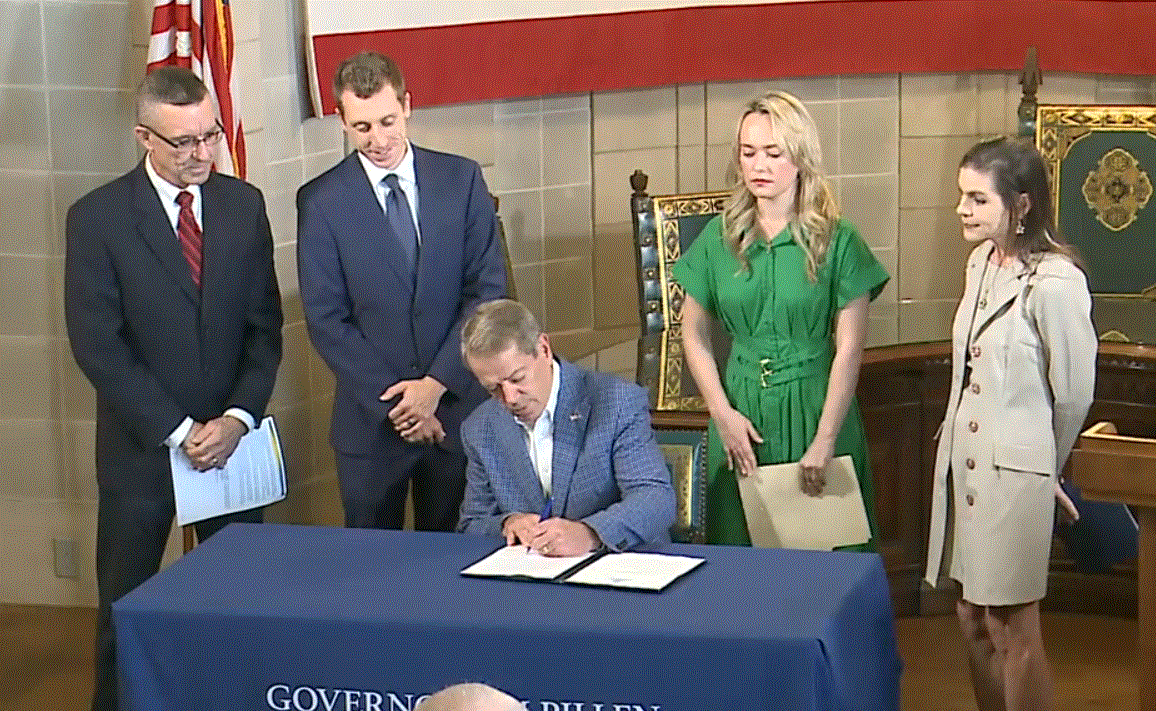
Gov. Jim Pillen signed an executive order Friday directing the Nebraska Department of Health and Human Services to seek new restrictions on cash assistance spending by families with children. The proposed changes target Aid to Dependent Children benefits under the Temporary Assistance for Needy Families program and require federal approval before implementation.
The restrictions would cover tobacco, nicotine and vaping products; gambling and lottery purchases; adult-oriented goods and services; tattoos and other cosmetic services; entertainment tickets and subscriptions; video games and virtual goods; jewelry and luxury watches; psychic services; and political contributions. Cash withdrawals would be limited to financial institutions and retailers authorized to accept SNAP benefits.
“When Nebraska taxpayers fund assistance for families with children, they should have confidence knowing these dollars are used supporting basic needs and well-being of children,” Pillen said at a news conference at the State Capitol.
DHHS CEO Steve Corsi said the department would immediately submit a state plan amendment to the federal Administration for Children and Families. If approved, he said, the restrictions would be implemented in the coming months.
Barbara Lacina, director of the DHHS Office of Economic Assistance, said benefits are distributed through prepaid debit cards. The department plans to work with its card vendor to block transactions involving restricted merchant categories. “The simple answer is that these purchases will not be able to be made,” Lacina said.
Asked how much money was being spent inappropriately, Lacina did not provide a dollar figure. “Between 97 and 98 percent of funds are used appropriately, which I’m sure everyone will be happy to hear,” she said, citing reports from the prepaid debit card vendor.
Lacina said the proposal expands existing restrictions involving liquor stores, casinos and adult entertainment. Officials described the program as temporary financial support intended to help families meet basic needs and regain economic stability.